
Why Your Japan Itinerary Needs More Breathing Room Than You Think
Japan's train network is exceptional, and its major destinations sit close enough together that a two-week itinerary can look almost effortless on paper. Tokyo, Kyoto, Osaka, Nara, sometimes Hiroshima, each city getting its own full day, connected by trains that run on time to the minute. That efficiency is real.
What it doesn't show up in is how much a tightly packed schedule costs once you're actually moving through it, not in yen, but in energy, attention, and your ability to change plans when something (weather, crowds, timing) doesn't cooperate.
In this guide:
Why "Efficient" Trains Don't Mean "Free" Time
The math behind a packed Japan itinerary looks sound. A bullet train between Tokyo and Kyoto takes just over two hours. Osaka is another 15 minutes past that. On a map, or a spreadsheet, moving between three or four cities in ten days looks like nothing.
What that math leaves out is that travel fatigue accumulates even when every train runs on schedule. A full day exploring Kyoto after a full day in Tokyo after a transit morning costs something, physically and experientially, whether or not anything went wrong. The trains being fast doesn't mean the traveler arrives fresh. It just means they arrive on time.
This matters because most itinerary planning treats train time as a rounding error: a couple of hours, easily absorbed into the day. In practice, a travel day is rarely just the time on the train. It's the packing, the checkout, the train station navigation, the luggage, and then arriving somewhere new, expected to be ready to explore, or worse, ready for a photoshoot, immediately.
The Real Cost: Going Through the Motions at Your Later Stops
The most common outcome of an overpacked itinerary isn't a missed train or a cancelled activity. It's something quieter: visitors reach their third or fourth destination and start experiencing it on autopilot rather than genuinely. The city hasn't changed. The traveler has.
This shows up in a specific, timing-dependent way for PMT clients, not just as general end-of-trip tiredness.
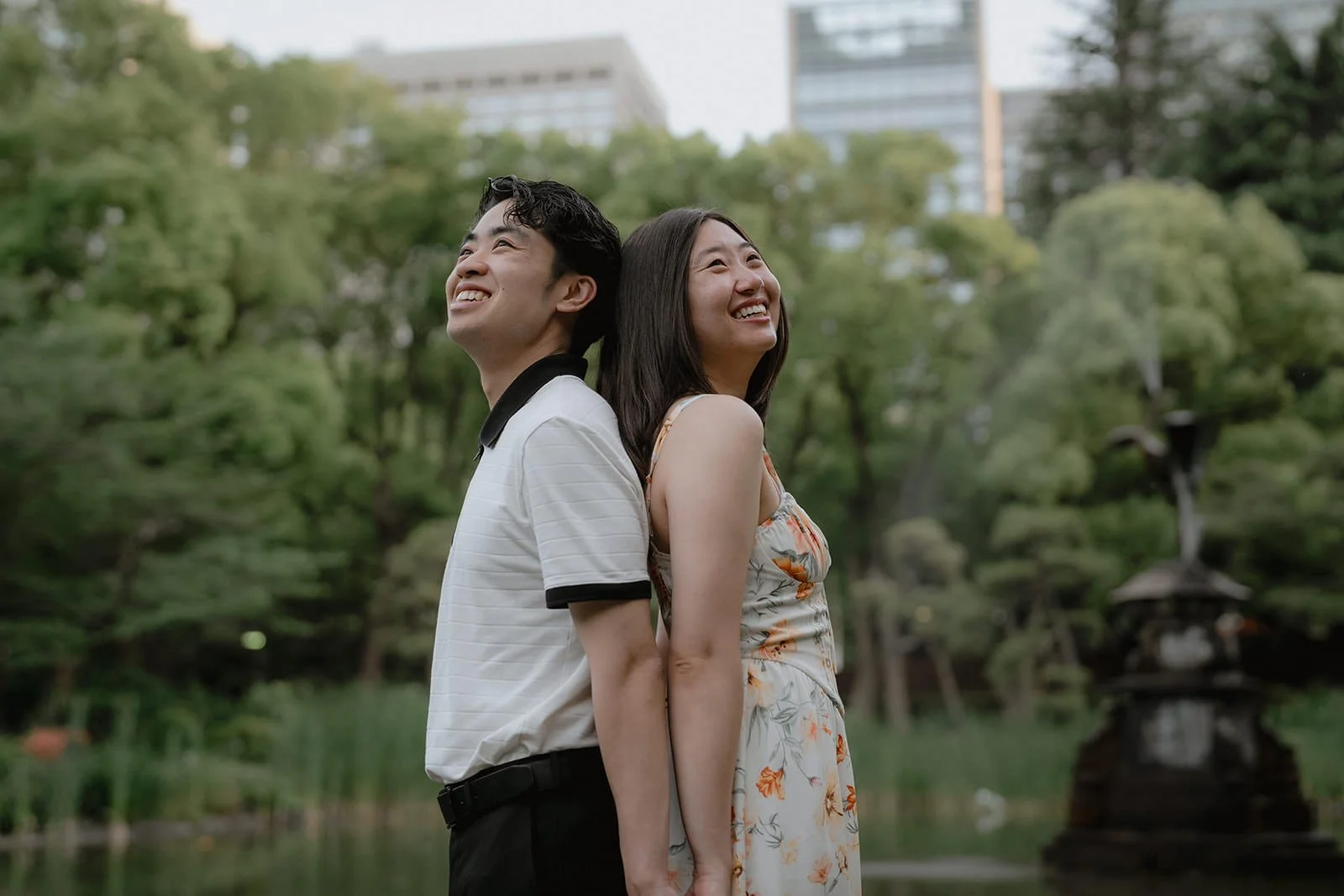
Proposals go better earlier in the trip. Clients who plan their proposal for day two or three tend to be happier than clients who schedule it for day ten. Part of it is anticipation, which builds the longer the moment is delayed. Part of it is more mundane: hiding a ring for two days is a very different task than hiding it for a week and a half.
Jet lag can work for you, or against you, depending on who's in your group. US clients often have a surprisingly good experience with early-morning sessions scheduled near the start of a trip. Jet lag forces an earlier natural wake time than they're used to at home, which lines up well with sunrise or early sessions. Families with young children are the exception. Jet lag disrupts a child's sleep far more severely, and it's common for kids to wake at 2 or 3 am, meaning a 7 am session slot means shooting an already-exhausted child. The end of the trip is equally difficult for families, once accumulated fatigue has caught up with everyone. For families specifically, the middle of the trip tends to be the more reliable window, avoiding both the early jet lag disruption and the late-trip exhaustion.
Clients traveling from Singapore and similar time zones sit outside this pattern entirely. Shorter flights and minimal jet lag mean they carry more built-in flexibility across the whole trip, without the timing constraints that shape planning for long-haul travelers.
When Flexibility Isn't Optional: Weather, Light, and Crowds
Some parts of a Japan trip can absorb a rigid schedule without much cost. Others can't, and the difference usually comes down to weather and light.
Anywhere a location depends heavily on sunlight, the same problem shows up. Parks and gardens transform during golden hour, and plenty of visitors carry that expectation into their trip without realizing how narrow that window actually is, or how much it depends on the weather cooperating that day. If someone is picturing the golden-hour version of a place and the visit ends up happening under flat, overcast light instead, the disappointment is real, even when nothing else went wrong. Being upfront about how weather-dependent that window is, and being willing to adjust timing rather than fight the conditions, matters more than almost anything else in managing this kind of expectation.
The clearest version of this plays out at Kawaguchiko, where visibility of Mount Fuji is never guaranteed and can shift in well under an hour. Two real examples illustrate what flexibility is actually worth:
A session was scheduled with Fuji fully covered in cloud, with the next morning held as a backup. By midday, strong winds cleared the summit completely within about 40 minutes. The photographer messaged the client, who returned at golden hour and got a clear, striking result they wouldn't otherwise have had.
Compare that to a client who arrived 30 to 40 minutes late because of traffic. In that window, Fuji clouded over almost completely, after being clear at the scheduled time. Nothing about the plan was wrong. The itinerary simply didn't have room to absorb a short delay.
Neither outcome was about better planning in the moment. It was about whether the schedule around that moment had any give in it at all.
Building Breathing Room Into a Multi-City Itinerary
None of this means abandoning structure. It means building deliberate slack into a schedule rather than treating every day as fully claimed.
A few concrete habits make the difference:
Don't schedule anything demanding on a travel day. No shoots, and ideally nothing else that requires energy or focus, on the day you're changing cities.
The day after a travel day is fine, with one condition. It works as long as the journey itself was a short bullet train ride, under roughly three hours. Longer travel days need a genuine recovery day after them, not a full schedule the next morning.
Ask about flexibility before the trip starts, not after a conflict comes up. Checking alternative dates at the beginning of planning, rather than waiting for weather or timing to force the issue, gives everyone more options while they still exist.
Flexibility tends to be a fixed trait, not something that shifts mid-trip. Clients who arrive with a tightly packed itinerary tend to stay locked into it, even when a change would clearly help. Clients who arrive with some flexibility tend to become even more accommodating as the trip goes on. That pattern makes the planning-stage conversation about flexibility more valuable than trying to renegotiate once the trip is already underway.
Kawaguchiko carries the biggest fatigue risk of any single destination on a typical itinerary, and it's worth understanding why before booking it as a day trip. On paper, the route from Tokyo looks simple. In practice, it usually involves at least one train change, possible delays if the connecting leg is by bus or car, and a local public transport system in Kawaguchiko itself that can mean delayed or crowded trains and long waits for taxis once you arrive. One specific, frequently underestimated piece of this is Tokyo Station: not because it's poorly designed, but because of its sheer size and near-constant business. Morning departures in particular tend to coincide with commuter traffic, so travelers moving through the station early are sharing it with a station full of people heading to work, which catches most visitors off guard. A confusing, disorienting start like this can create fatigue for the rest of the day, even if everything afterward goes smoothly. The cost is front-loaded, not spread evenly across the trip.
A Note on Flexibility and Photography
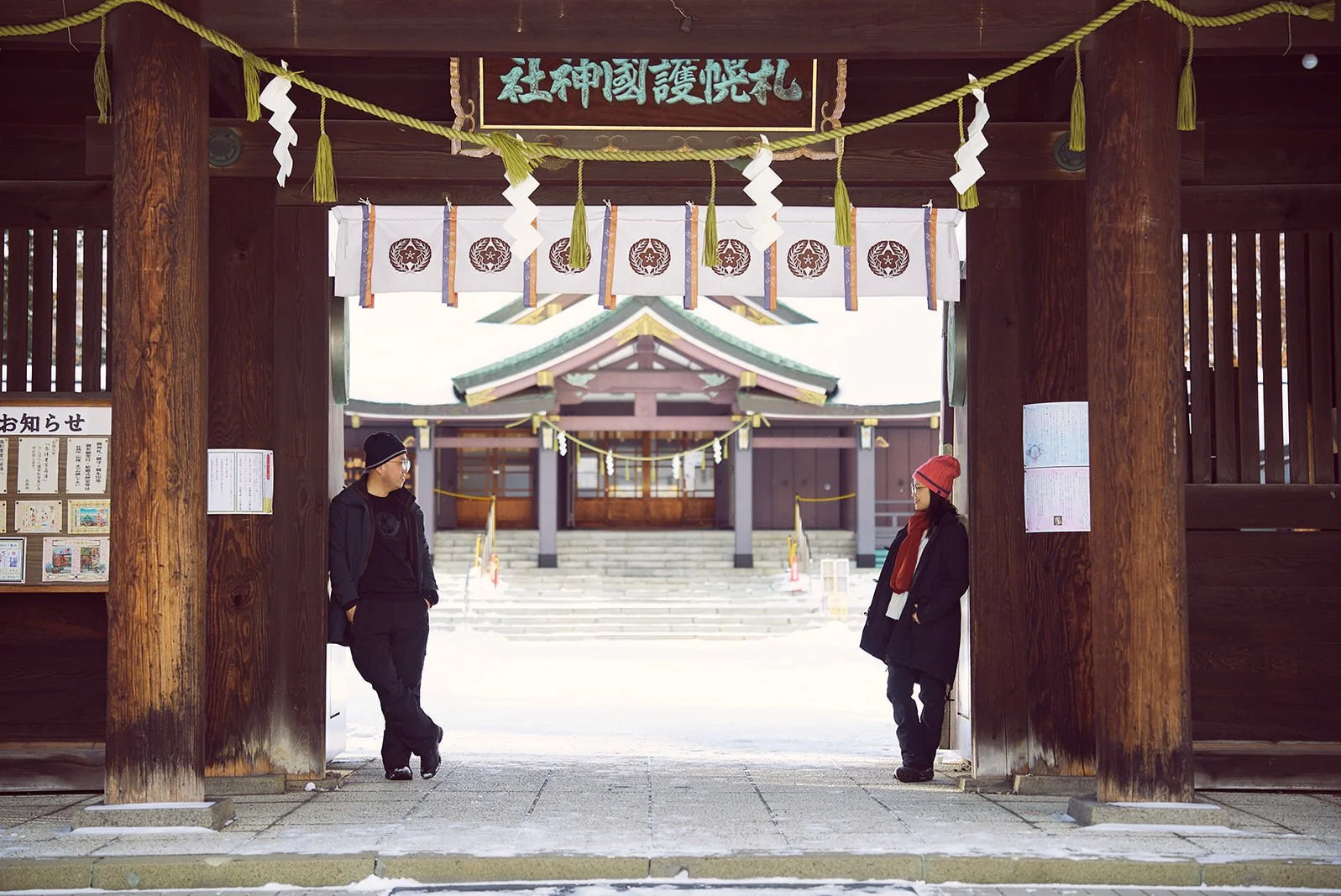
Itinerary rigidity is one of the more common friction points PMT sees at the planning stage, and it isn't limited to Fuji. Any location or session that depends on light, weather, or crowd timing benefits from a client who can move a session by an hour, or a day, if conditions call for it.
This is part of why PMT asks about alternative dates and flexibility early, before a shoot is confirmed, rather than discovering the constraint the morning of a session. It's also part of why proposal clients are encouraged to plan for earlier in the trip where possible, and why family sessions are generally recommended for the middle of a trip rather than the first or last days. In every case, the goal is the same: give the actual conditions on the day a chance to work in your favor, rather than locking in a plan that can't respond to them.
How Much Breathing Room Is Enough
There's no universal number of buffer days that works for every itinerary. What matters is where the slack sits relative to the parts of the trip that depend on conditions outside your control.
A reasonable starting rule: build at least one buffer day around any activity that depends on weather, light, or timing you can't fully predict, whether that's a Fuji sunrise, a garden at golden hour, or simply a full day in a new city right after a long travel day. Avoid scheduling anything demanding immediately after a travel day unless the journey itself was short. And have the flexibility conversation at the start of planning, while there's still room to act on the answer, not partway through the trip when the schedule has already hardened.
A tighter itinerary isn't a mistake. It's a choice with a cost, and knowing what that cost is lets you decide, upfront, whether it's one worth paying.