Invisible Direction: How We Get Natural Photos Without Posing You
Ask a couple what they want from their session and most say the same thing: no posing, nothing staged, just them being themselves. Ask the same couple to look through the gallery afterward and they want something else too, photos that feel composed, considered, and clearly better than something a friend could have taken on a phone.
Those two requests sound like they cancel each other out. They don't, but getting both in the same set of photos takes a specific skill, not luck. At PMT we call it invisible direction: guiding a shoot enough to produce a curated result without breaking the feeling that nothing was directed at all.
This isn't unique to any one session type. It shows up with couples, families, and solo travelers alike, because every client who says "just let us be natural" is really asking for the same paradox to be solved on their behalf.
In this guide:
Invisible Direction, Named
Invisible direction is choreography disguised as spontaneity. It's built to look documentary, like the photographer simply happened to be in the right place at the right time, when in reality there's a plan running underneath the whole session.
The paradox only resolves if the direction stays invisible. The moment a client can feel themselves being posed, the candid quality that made them want unposed photos in the first place disappears. So the goal isn't to direct less. It's to direct in a way nobody notices.
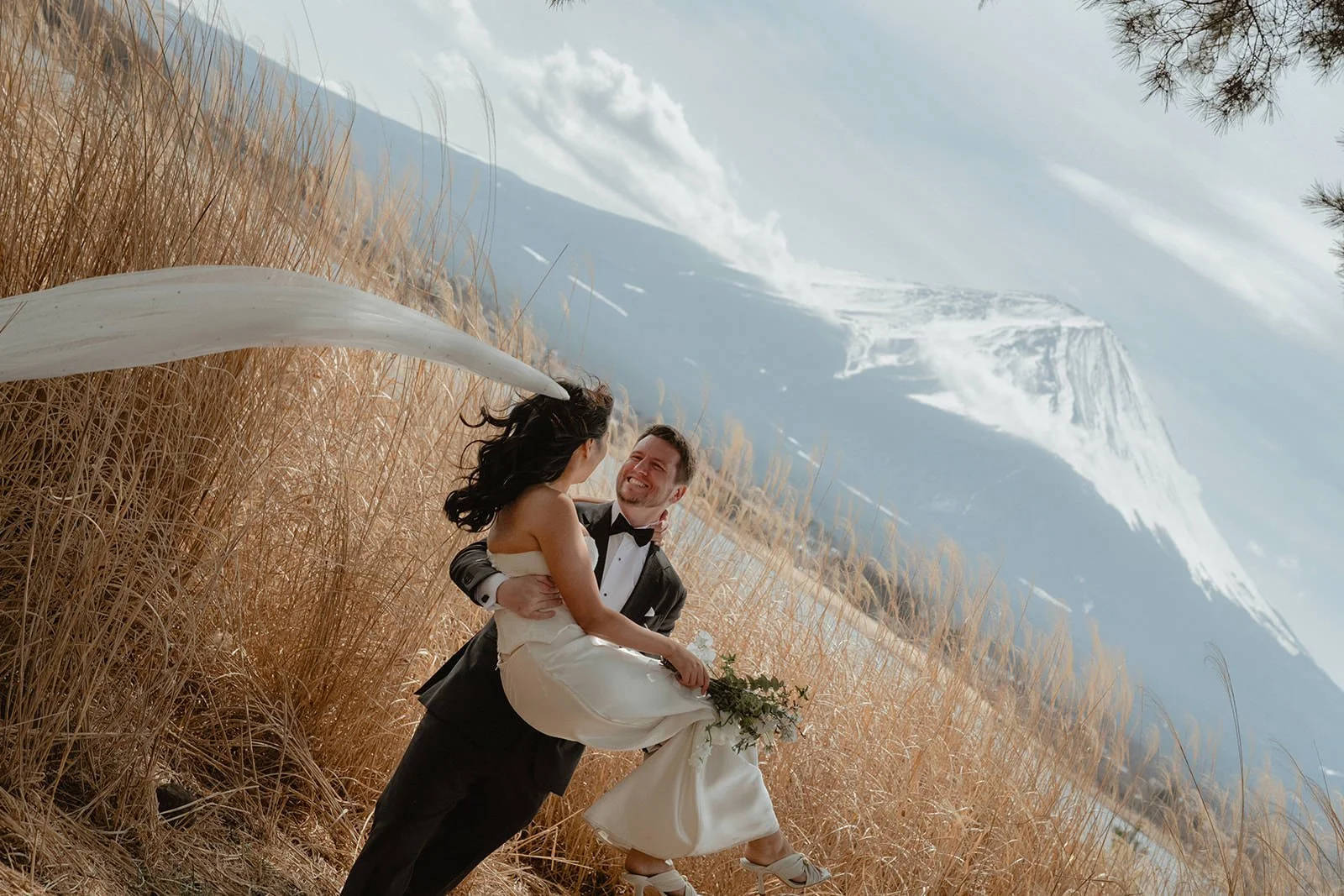
True happiness is being carried by your loved one
Reading the Room Before Anything Happens
Every PMT session starts with a short conversation before a single photo is taken. We ask how a couple feels about being photographed, how they interact day to day, whether they'd describe themselves as more romantic or more playful together.
The honest answer to that question isn't always the accurate one. Clients often describe an idealized version of how they'll behave rather than how they actually behave once the shoot starts, and that's expected rather than a problem to correct. A couple might say they're shy and need heavy direction, then spend the first two minutes of the shoot interacting freely and completely at ease with each other. When that happens, the job is: step back and let it happen.
Then we have a couple who is genuinely more reserved than the conversation suggested, past the point where the usual level of direction works. There's no single strategy for this. What works is finding a middle ground, enough structure to produce a varied, complete album, without pushing anyone into displays of affection or energy that don't feel true to them. Forcing that rarely produces a photo worth keeping anyway. It just produces a photo that looks forced.
The Three-Part Method
Invisible direction breaks down into three parts, borrowed loosely from something cinematographers call scene blocking.
Start With the Frame, Not the Pose
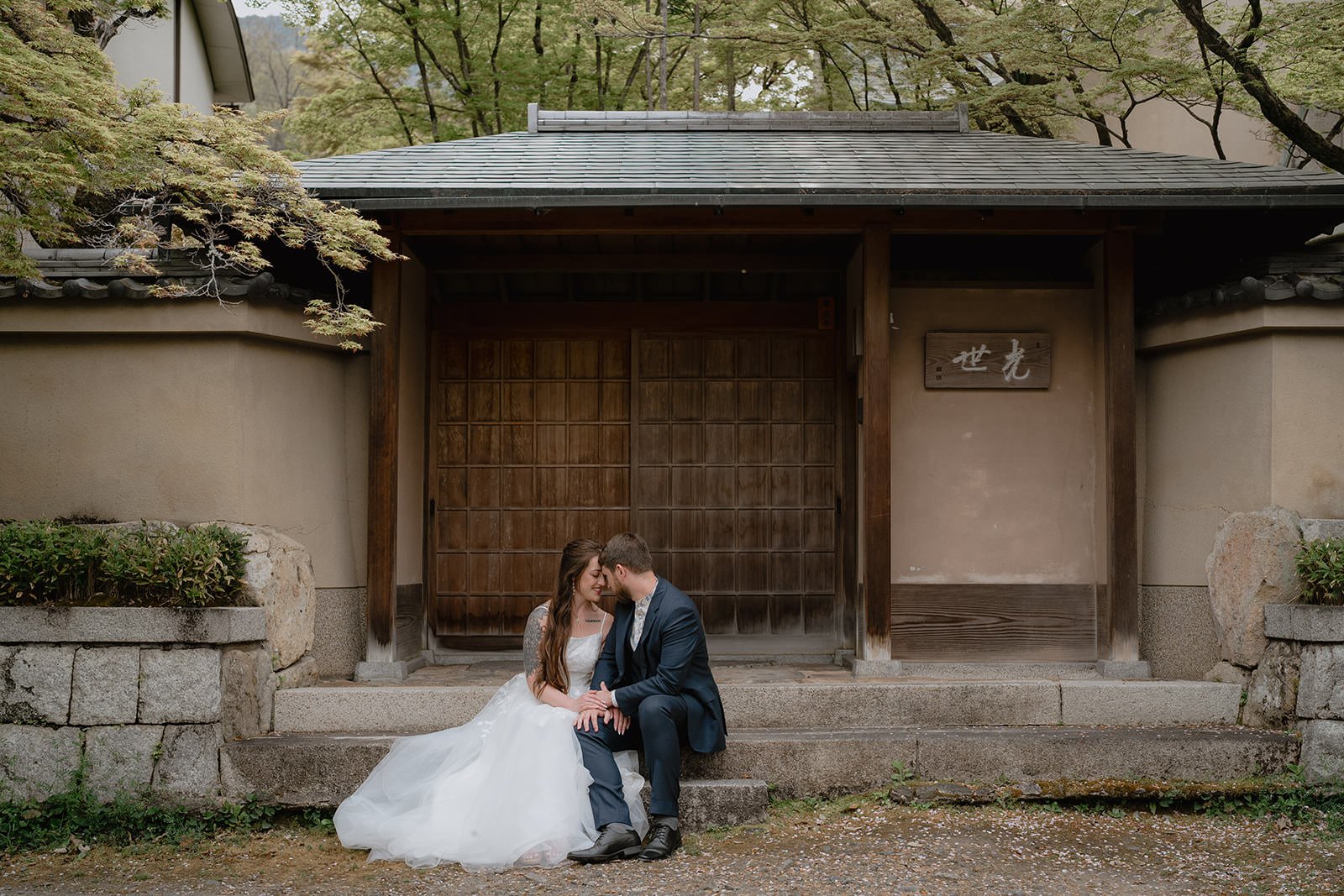
Before giving any direction to a client, the frame comes first: the light, the composition, the background, a clear sense of what the shot could be. Only once that's set does a photographer bring people into it and let something unfold within it, rather than building a shot around a pose and hoping the light cooperates.
Set a Tone, Not an Instruction
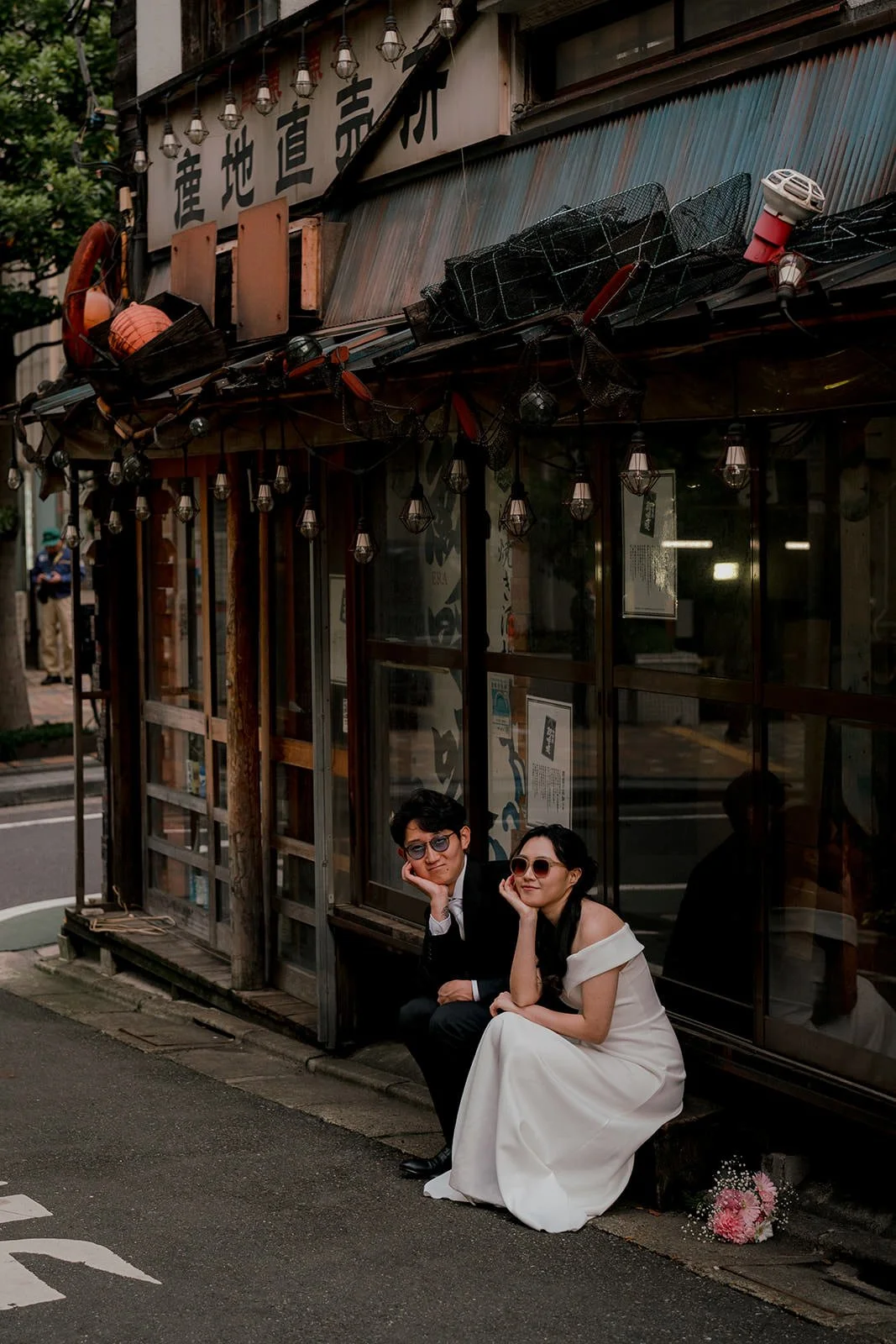
Instead of asking for a specific action, such as walk here, turn this way, or hold this pose, the more effective direction sets a feeling. It's closer to asking a couple to fall into a moment than to execute a position. Photos that come from a tone-based instruction look like something that happened. Photos that come from a rigid pose look like something that was arranged.
Wait for the Half-Moment
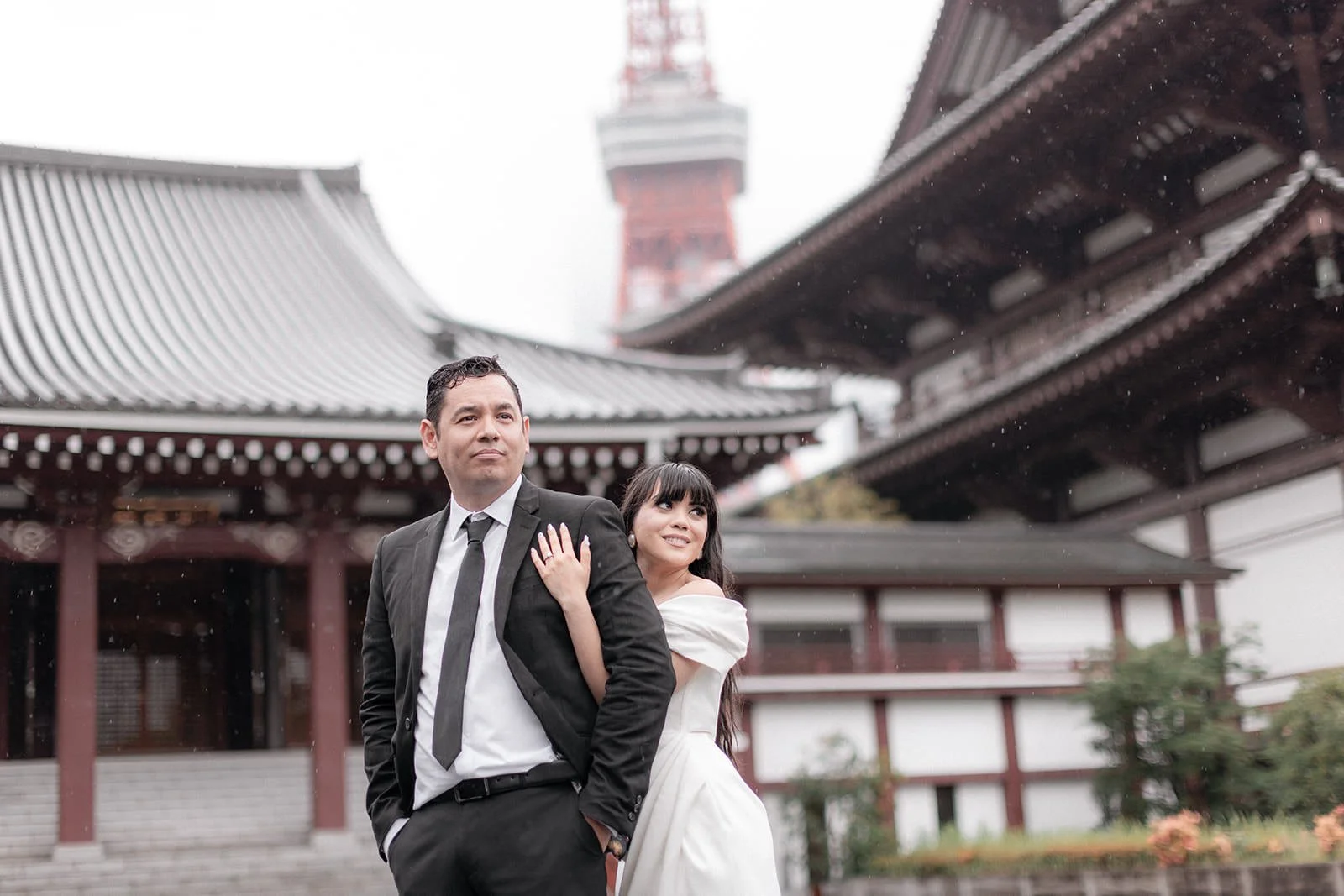
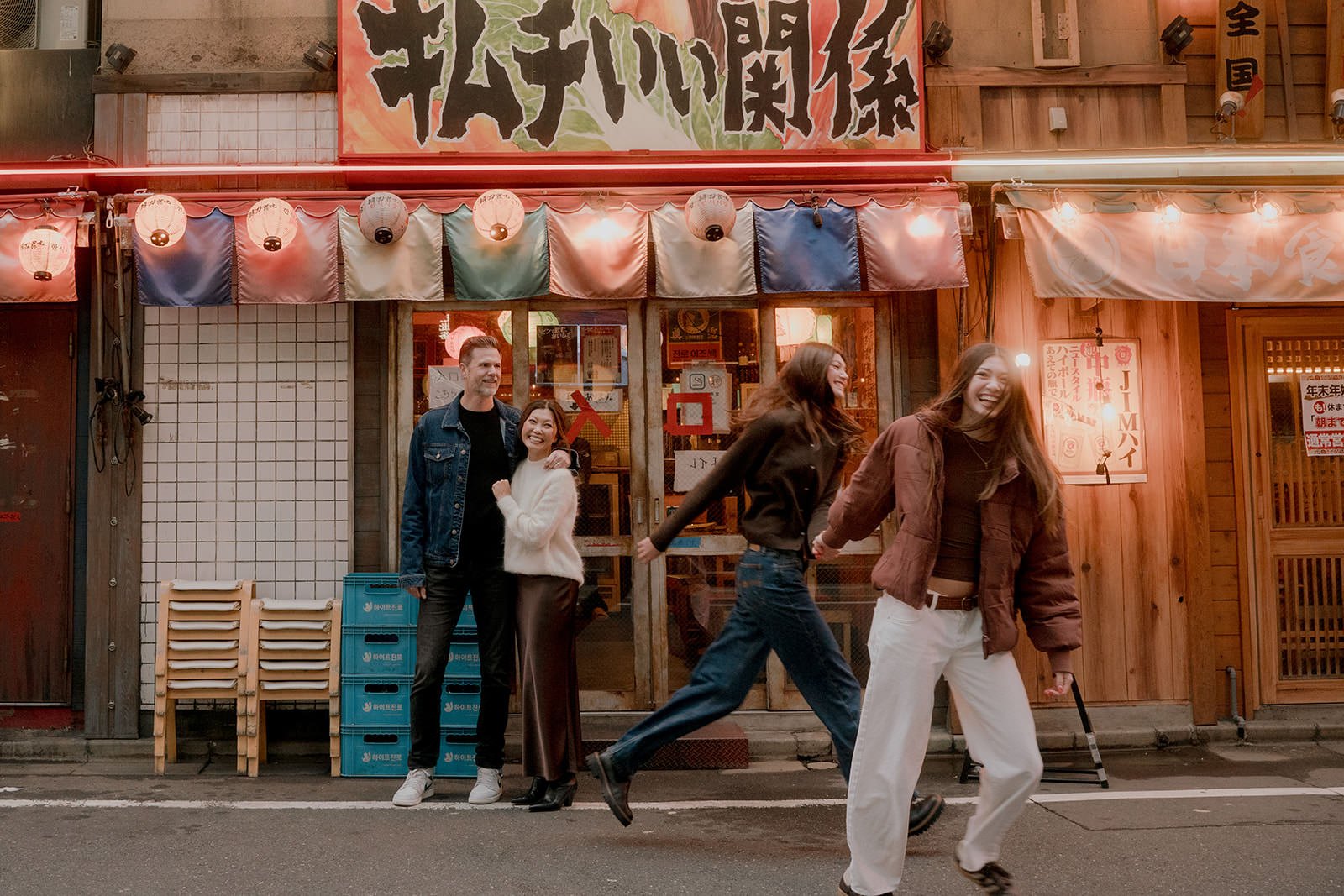
The strongest frame in a set is rarely the one where someone is looking at the camera. It's usually the half-moment: the look away, the in-between, the instant caught mid-movement while walking somewhere rather than posed and still. Recognizing that moment, and being ready for it before it happens, is most of what separates a photo that looks candid from a photo that actually is.
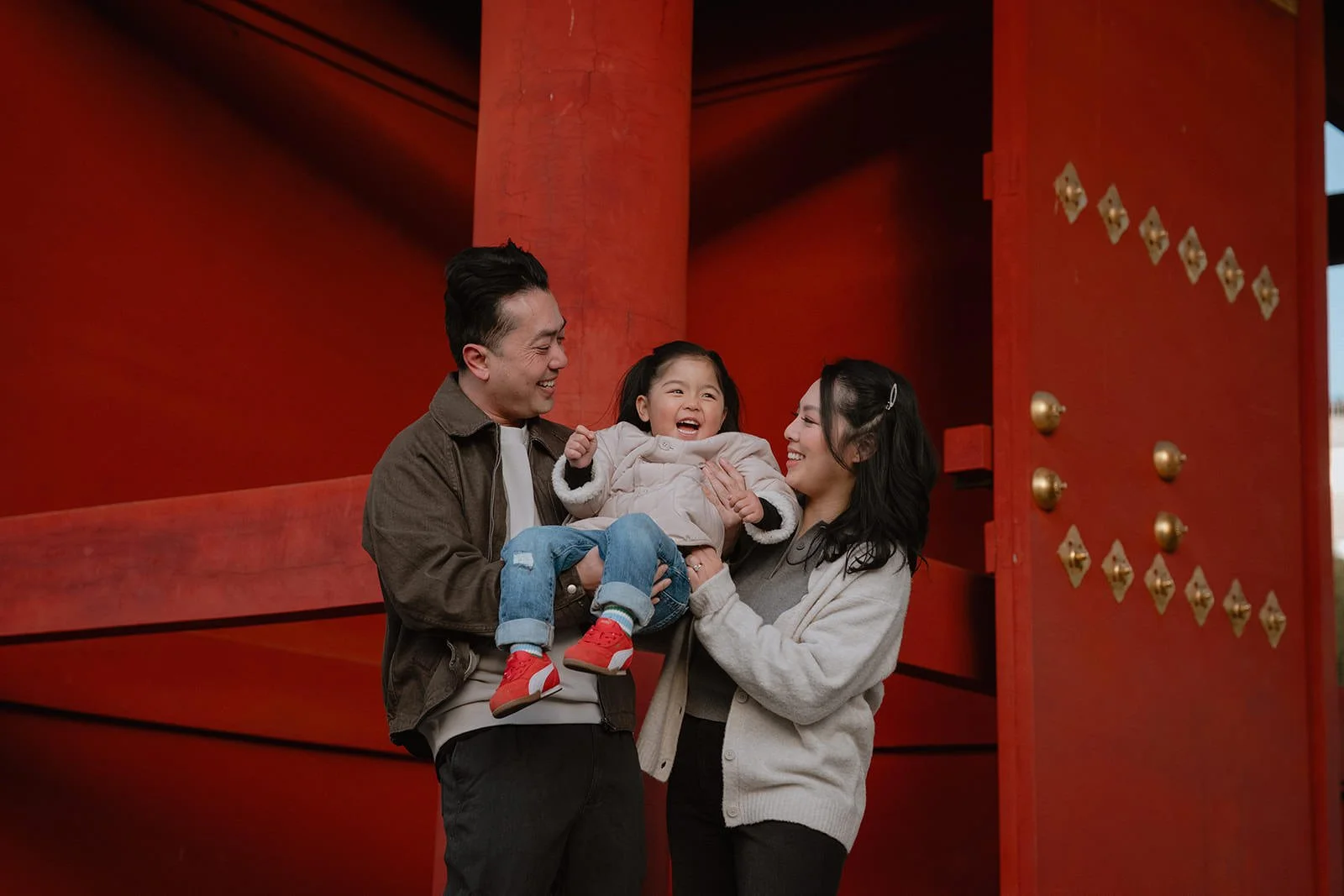
Feeling it
When the Moment Won't Cooperate
Proposals are where invisible direction gets tested hardest, because one person in the frame is fully prepared and the other has no idea what's about to happen. The unaware partner might be overwhelmed, tearful, laughing, or frozen, sometimes moving through several of these in the space of a few seconds, and there's no rehearsal for any of it.
The skill here isn't reacting quickly. It's anticipating the arc before it happens, reading a couple's dynamic well enough in advance to already be in position before the moment shifts, rather than scrambling to catch up once it does. This is one of the clearest differences between a good proposal photographer and an exceptional one, and it develops across many proposals rather than being something that can be taught in a single session.
One of our photographers shared an interesting story with us:
It's not always that we work with the ideal environment for the photographer. If the client has a very important, personal, and meaningful spot for their proposal, we'll go with it. That was the case for this particular proposal, which he wanted to ask her on a beautiful but narrow bridge crossing a stream. When the time came, her surprised reaction was to take a full step back to see him kneeling. Given that the space was quite small, that was enough for her to leave the frame. That means I had to move fast, which is not usually a problem, but in this case I was surrounded by the stream. I made the jump to the other shore and failed miserably, falling on my back inside the water. But hey, from the water, the frame was perfect, so I got the shot!
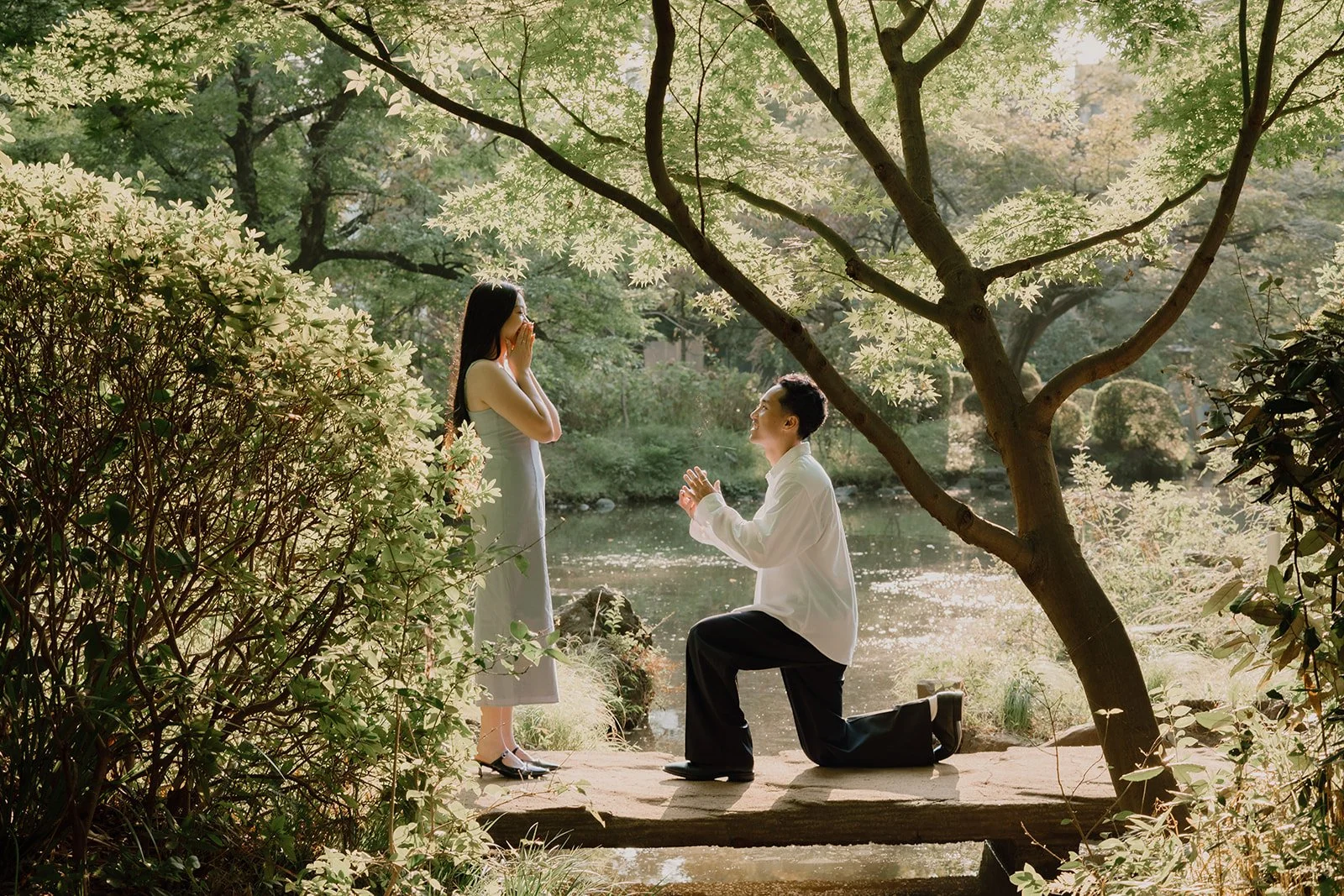
I got the shot!
What This Means If You're the One Being Photographed
If a PMT photographer asks you to just relax and not worry about posing, that's not an absence of direction. It's a request to trust a process that's already running in the background: the frame is already being considered, the tone is already being set, and the photographer is already watching for the half-moment before you've noticed there was anything to watch for.
The best thing a client can do with that instruction is take it literally. The couples and families who end up with the most varied, natural galleries aren't the ones who try hardest to perform naturally. They're the ones who stop trying to control how they look and let the session do what it's built to do. If you want a fuller sense of what a full session actually looks like start to finish, our How It Works page walks through it.
Candid-looking photos that also feel curated aren't a coincidence, and they aren't something a photographer gets by taking enough frames and hoping one works. They come from a frame set in advance, a tone instead of an instruction, and someone watching closely enough to catch the half-moment before it passes. That's what invisible direction is actually doing, even when, especially when, you can't see it happening.