Hiring a Photographer in Tokyo: What to Know Before You Book
Most people who book a photographer in Tokyo have never done it before. They arrive at the decision with a general idea of what they want - photos of themselves in Japan - and a set of questions they're not quite sure how to ask. How does it work? Where do we go? How long should we book for? What does it actually cost?
These are the right questions. Getting clear answers to them before you book is what separates a photoshoot you'll be genuinely happy with from one that feels like it missed something.
In this guide:
How Tokyo Photoshoots Actually Work
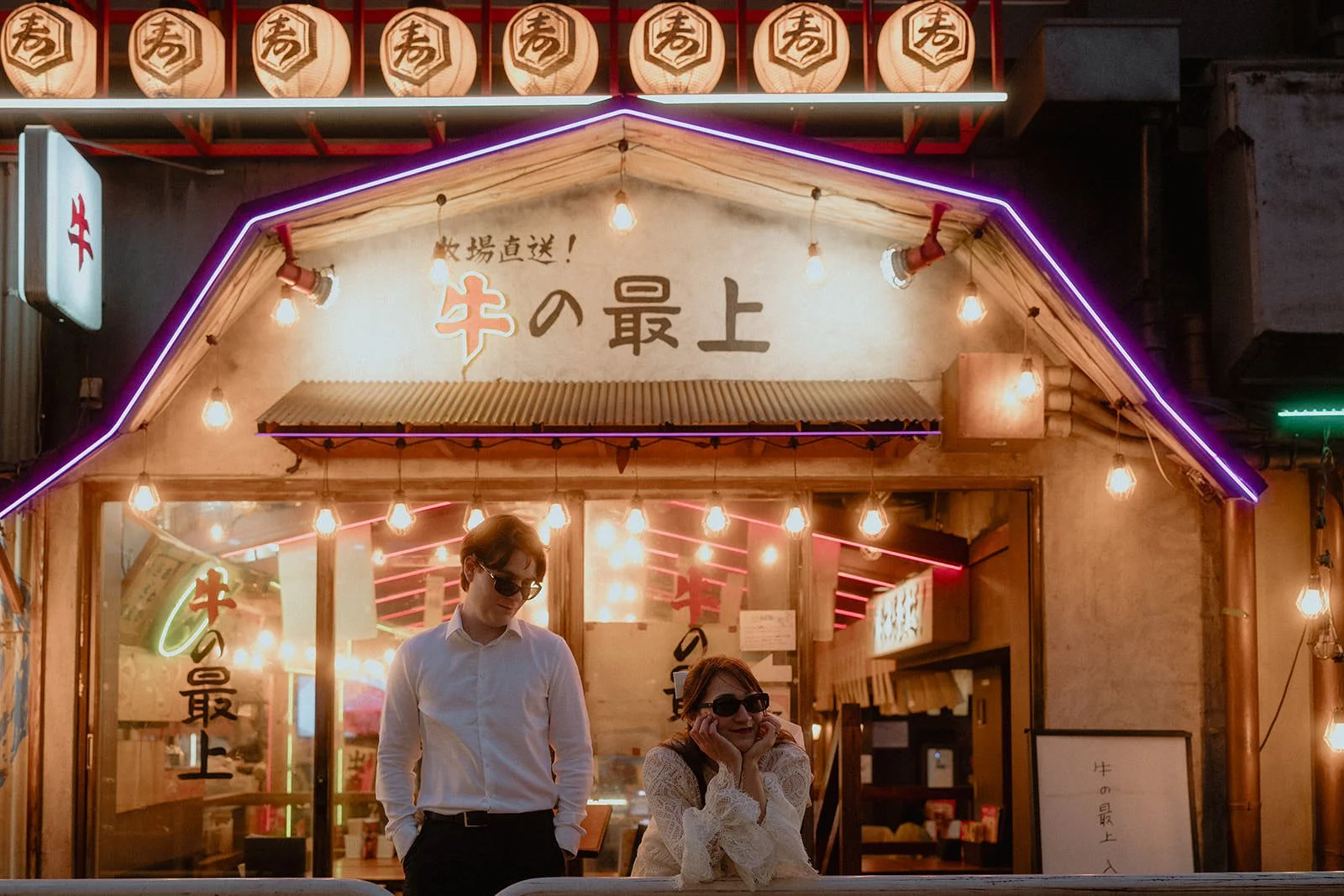
A professional photoshoot in Tokyo is a private session - just you, your group, and your photographer. There are no other clients, no group tours, no shared time slots. Most professional photography services in Tokyo operate this way, which is worth confirming when booking - some lower-cost options run group sessions or work with multiple clients simultaneously.
The photographer meets you at a location, guides you through the session, and handles everything from positioning to timing to reading the light. Your job is to show up and enjoy it. The photographer's job is to work hard enough that you don't have to.
Most clients are surprised by how quickly the session goes and how natural it feels. First-timers often arrive expecting to have to work harder than they do. The experience tends to be more relaxed than they anticipated - which is the point.
A few things worth knowing before you arrive:
English-speaking photographers. For international visitors, confirm in advance that your photographer is comfortable working in English. You need to be able to communicate clearly about timing, location changes, and logistics - both before the session and on the day. Most professional services catering to international visitors offer this, but it's worth verifying.
Location planning. You don't need to arrive with a location decided. If you have preferences, share them. If you're not sure, a good photographer will recommend based on your group, the shoot type, the season, and the time of day. That local knowledge is part of what you're booking.
Timing matters more than most people expect. The difference between a session at 7 am and one at noon in Tokyo - in terms of light quality, crowd levels, and overall experience - is significant. Ask your photographer what they recommend for your specific circumstances rather than defaulting to whatever is most convenient.
How Pricing is Structured
Photography pricing in Tokyo varies significantly depending on who you book, what you're booking, and what's included. Understanding the variables that drive pricing makes it easier to compare options and evaluate whether what you're paying for matches what you actually need.
Most professional photography services in Tokyo are priced around four core variables:
Destination or travel requirements. Sessions in central Tokyo are priced differently from those requiring travel to other cities or locations. If you're planning shoots in multiple cities - Tokyo and Kyoto, for example - these are typically separate bookings.
Type of session. A standard couple or family shoot, a surprise proposal, and a pre-wedding session each involve different levels of preparation, coordination, and skill. Proposal shoots in particular require advance scouting, cover story coordination, and the ability to capture an unrepeatable moment - which is reflected in pricing across most providers.
Session length. Longer sessions allow more locations, more variety, and more time to settle into the experience. Most providers offer tiered lengths - typically thirty minutes, one hour, and two hours - at corresponding price points.
Group size. Larger groups require more coordination, different location strategies, and more time to work effectively.
When comparing providers, these are the variables worth aligning before comparing prices directly. A one-hour couple session and a two-hour family session are not the same product even if the per-session price looks similar.
For PMT specifically, current pricing is available on the pricing page. Given recent exchange rate fluctuations, it's worth checking current figures directly rather than relying on quotes from third-party sources.
Choosing the Right Session Length
This is the decision most clients spend the least time on and probably should spend more.
Session length shapes everything - how many locations you can cover, how much time there is to warm up and settle in, how relaxed the experience feels. Rushing through too much in too little time produces a different result than moving at a pace that allows things to happen naturally.
A few patterns worth knowing:
For couples: A one-hour session covers one location well or two locations briefly. A two-hour session allows for genuine variety - different settings, different light, different energy across the session. First-timers often find that the second hour, once they've relaxed into it, produces their favorite images.
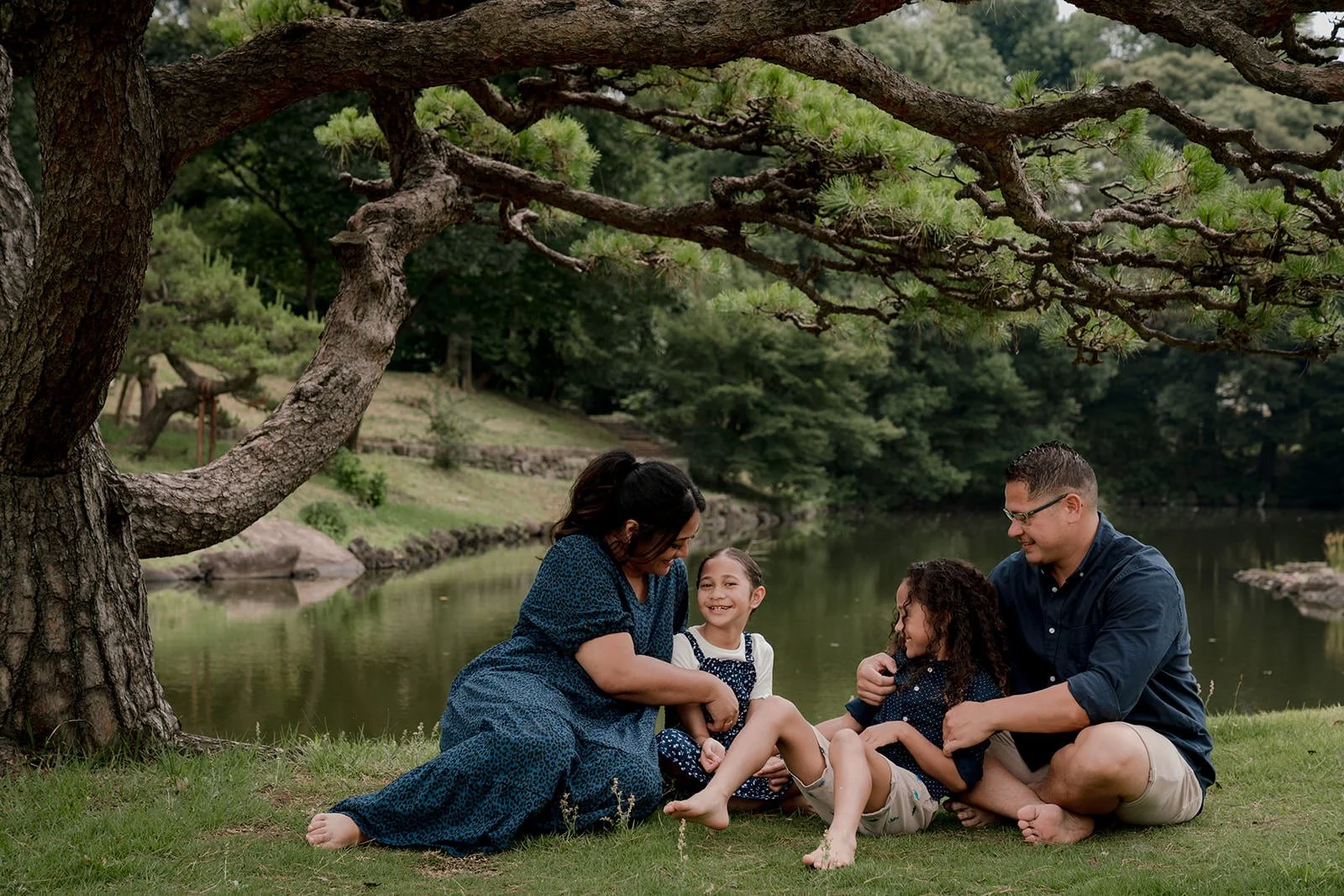
For families with young children: Shorter is almost always better. Children up to around eight years old tend to have a natural energy window of forty to sixty minutes. Beyond that, the experience can start to work against you, regardless of how good the locations are. PMT actively recommends shorter sessions for young families - not because it's the cheaper option, but because the results are consistently better. Parents who follow this advice rarely regret it.
For families with older children or adult children: The dynamic is different and less predictable. A group of adults in the same situation brings different expectations and different comfort levels. More time tends to help here rather than hurt.
We often receive inquiries from clients wanting at least 2 hours so they can cover more locations. But this is a case where more isn’t better. There’s an energy and attention tax that gets exponentially higher by the minute once the first hour is over - especially for kids. At the same time, we also get frequent feedback from couples who booked 30 minutes and said the photoshoot went by really fast, and they wanted to keep going.
Location: Who Decides and How
You can arrive with a location in mind, a shortlist, a Pinterest board, or no preference at all. Any of these works.
If you have specific locations you want - Shibuya crossing, Asakusa at dawn, a particular garden - share them early. Your photographer will confirm whether they're realistic for your timing and group, suggest the best approach, and flag anything worth knowing in advance.
If you're not sure, your photographer will recommend based on what tends to work well for your shoot type, the time of day available to you, and the season. Tokyo has enough variety that almost any visual direction is achievable - urban, traditional, green, architectural, quiet, energetic. The question is which version of Tokyo fits what you're actually after.
Most clients arrive with a base knowledge of the main locations in Tokyo, and that’s absolutely fine, as it can guide the PMT in the right direction.
What's worth knowing: location recommendations from a photographer who has worked in Tokyo extensively are different from location recommendations from a travel guide. The former are based on what actually produces good photos at the specific time you're shooting, with your specific group, in the current season. That local knowledge is part of the value.
Proposals Are a Different Booking
This is worth addressing directly because it's a source of confusion in the booking process.
A surprise proposal photoshoot and a standard one-hour travel and vacation photoshoot are not the same thing, even when the session length is identical.
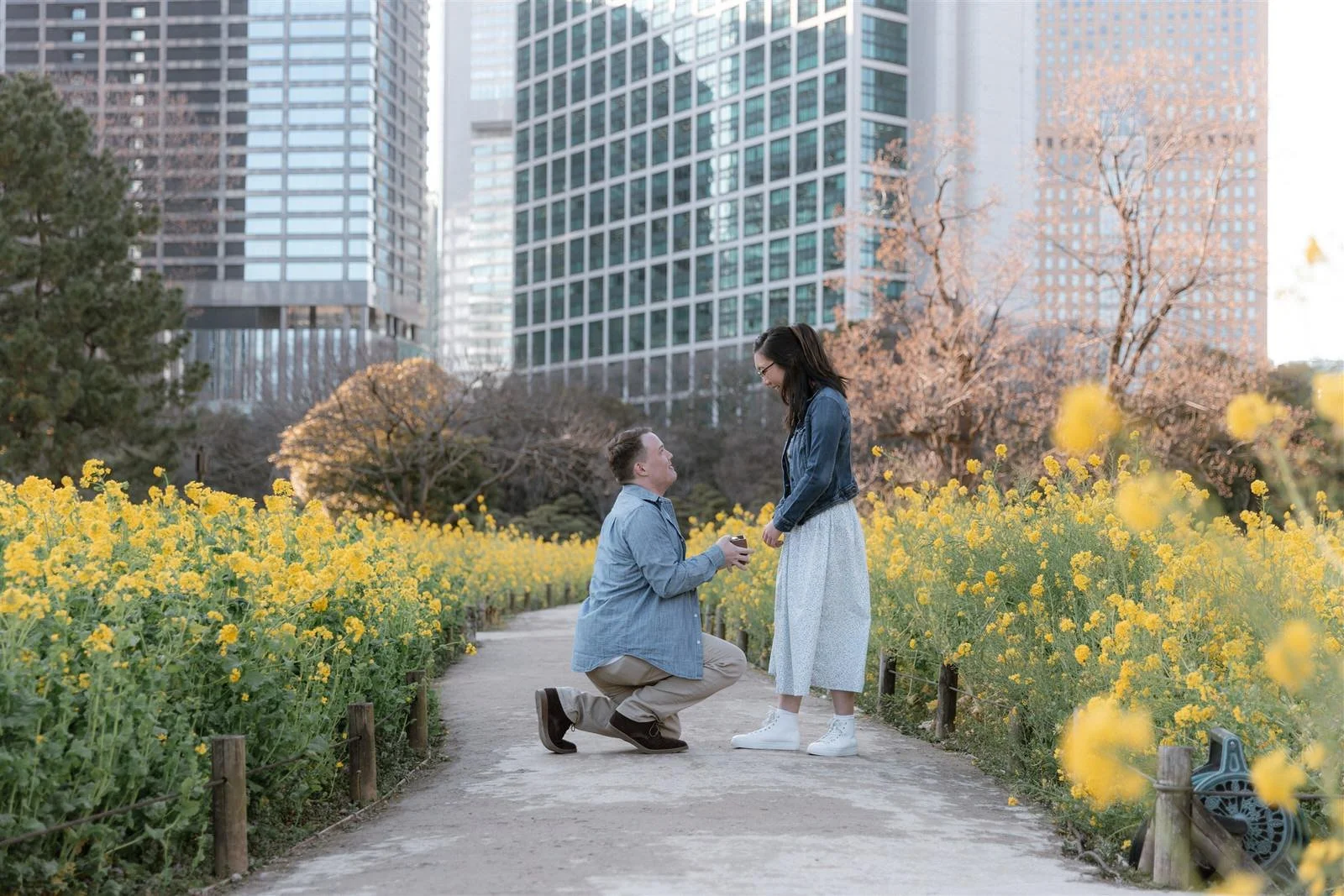
A standard session involves two people who both know they're being photographed. A surprise proposal involves one person who is fully prepared and one who has no idea what's about to happen. The photographer needs to be positioned before you arrive, coordinated on your route and timing, and ready to capture a moment that unfolds in seconds without being obvious about any of it.
That operational complexity - the advanced coordination, the location scouting, the cover story logistics, the skill required to read a moment that can't be rehearsed - is why proposal sessions are priced and structured differently from standard sessions.
If you're planning a surprise proposal in Tokyo, you need to book it as a proposal session rather than a standard shoot. The experience, the preparation, and the result are different.
The Booking Decision That Matters Most
After years of working with clients across all shoot types, one pattern stands out consistently.
Clients who come away most satisfied tend to fall into one of two groups: those who arrive with specific ideas and share them clearly, and those who arrive open to recommendations and follow them genuinely. Both approaches work well. The photographer can work with either.
The clients who occasionally come away with unmet expectations are almost always those who were flexible about everything during the booking process but had specific expectations they never articulated. They said any location was fine, any time worked, any length would do - but they had a version of the experience in their head that never got communicated. When that version didn't materialize, the gap felt surprising.
The most useful thing you can do before booking is be honest about what you actually want. Not what sounds reasonable or easy - what you actually want. A specific location, a particular style, a time of day that matters to you, photos that look like something you saw on Instagram. Share it. The clearer the brief, the better the result.
And if you genuinely don't have strong preferences, say that too - and then actually follow the recommendations you're given. Clients who ask for guidance and trust it consistently come away happy.
The booking is where the photoshoot is really decided. The session itself is the execution.